Resources
Insights & Guides
Practical thinking on AI-powered customer service for service companies. No hype — just what works, how it works, and why it matters.
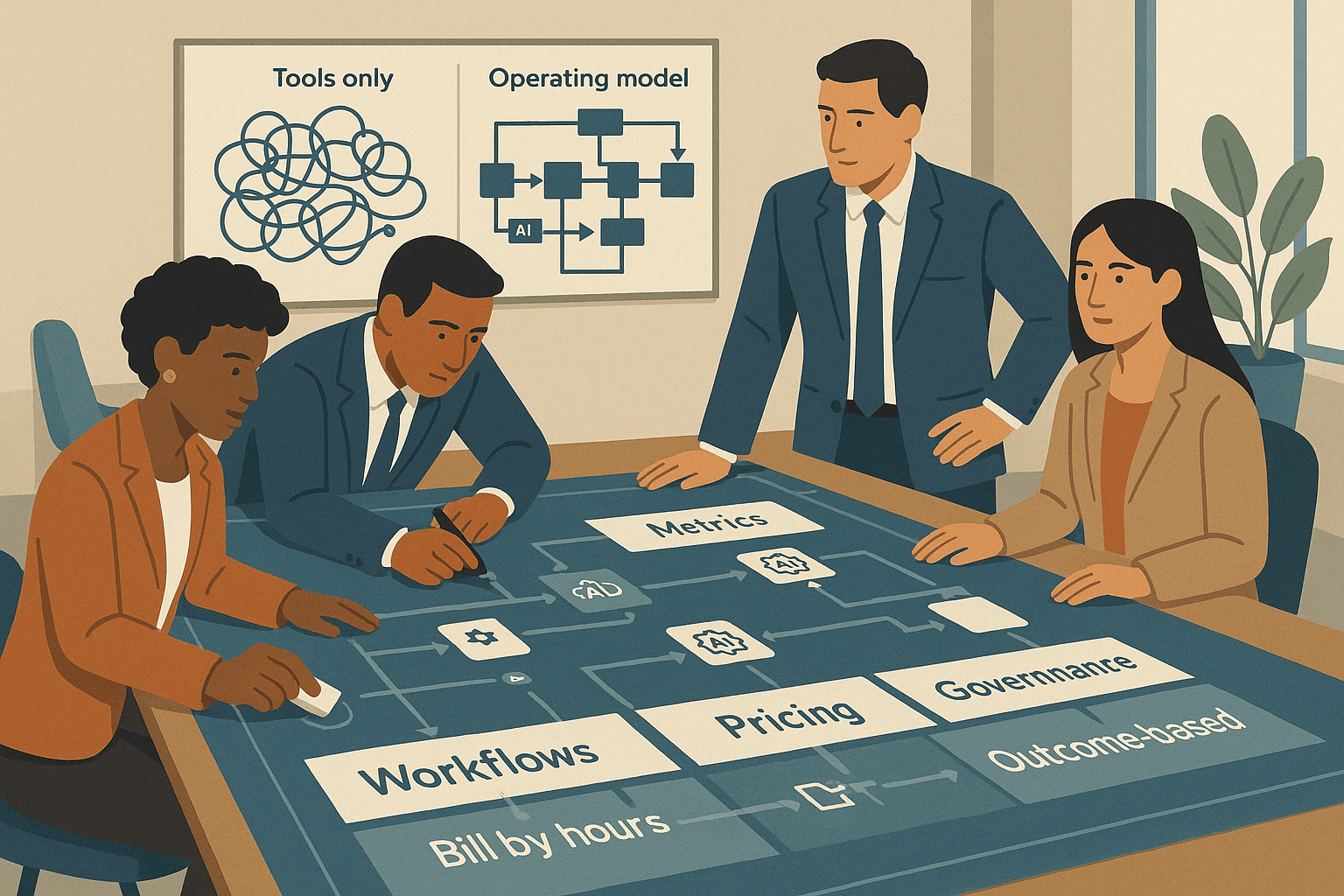
AI Isn’t Failing Your Firm. Your Operating Model Is.
Recent data from JPMorgan, Brookings, Capgemini, and others all point the same way: AI returns in service companies are no longer about who adopts fastest or buys the best model. They’re about whether leaders are willing to redesign pricing, workflows, governance, and accountability so AI has something solid to plug into.

Stop Buying AI Tools. Redesign How Work Gets Done.
Most service companies are treating AI as a software purchase. The data says that’s exactly why 80–90% of initiatives fail. This piece lays out a different path: treat AI as a redesign of how work flows through your firm, with governance and data foundations built in from day one.
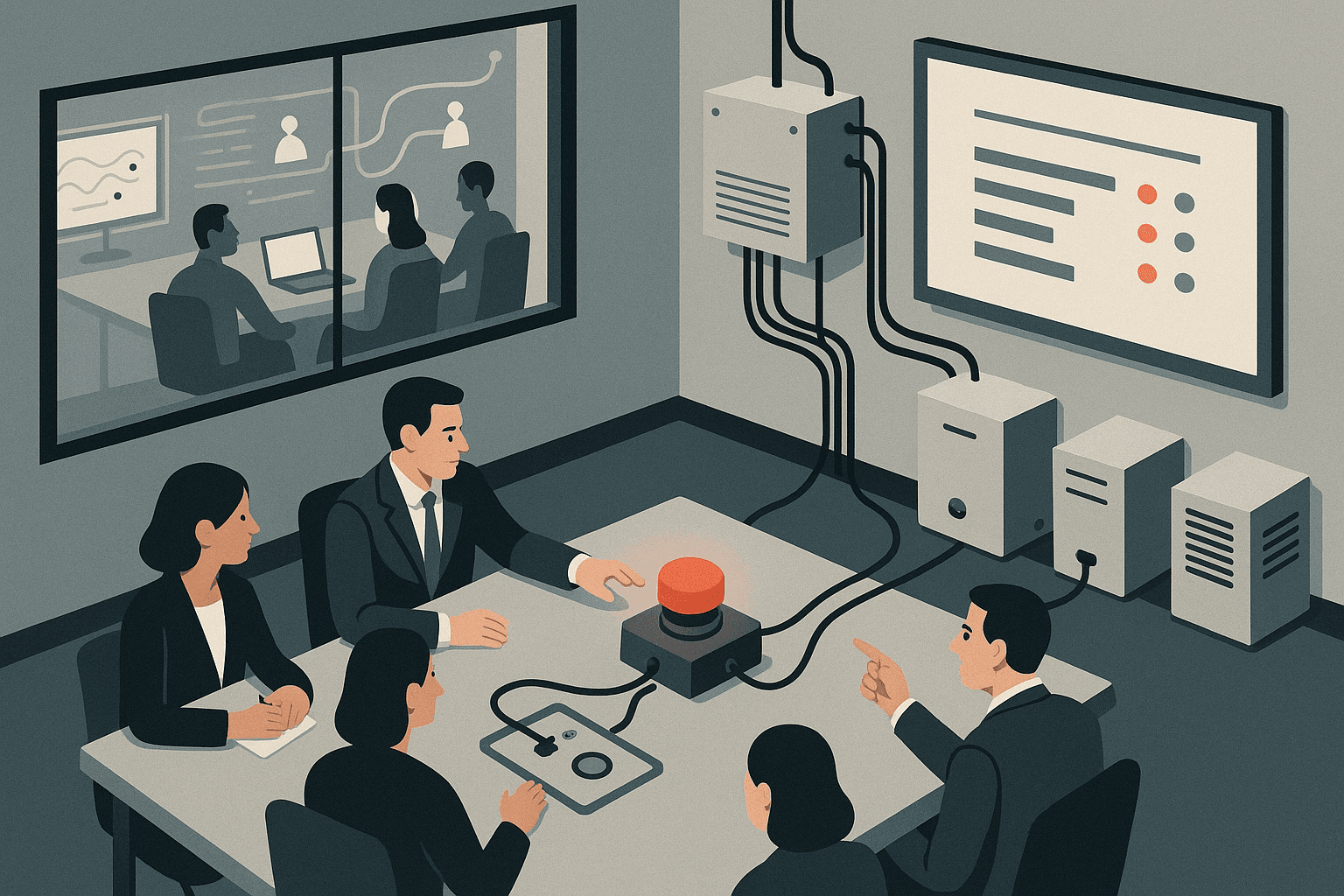
AI Governance Just Became a Board Problem: How Service Companies Avoid Inheriting an Ungovernable Mess
AI is now embedded across tools, vendors, and workflows in most service companies—often without a plan. Boards and CEOs who wait for a “governance project” risk inheriting an AI estate they can’t see, can’t stop, and can’t defend. This article argues that the real work is building an operating layer for AI: inventory, containment, vendor control, and a simple scorecard that ties governance to business risk.
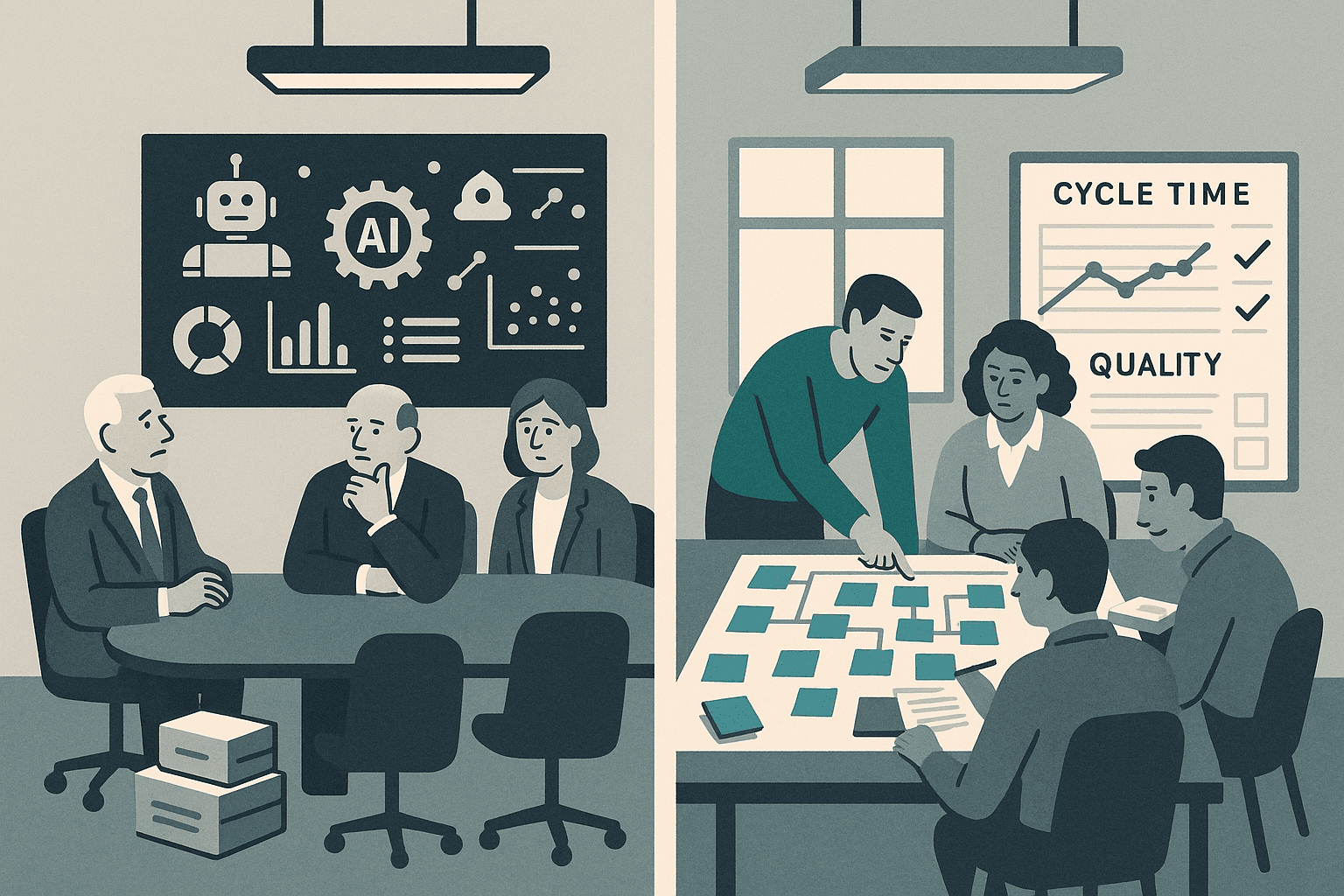
The 60/27 Test: How Serious CEOs Turn AI From Noise Into Margin
BCG, IBM, and Grant Thornton all point to the same pattern: most CEOs are spending more on AI but under-investing in the only line item that predicts results – their people. This article introduces the 60/27 test and a practical operating playbook for service-company leaders who want AI to show up in margin, not just in meetings.
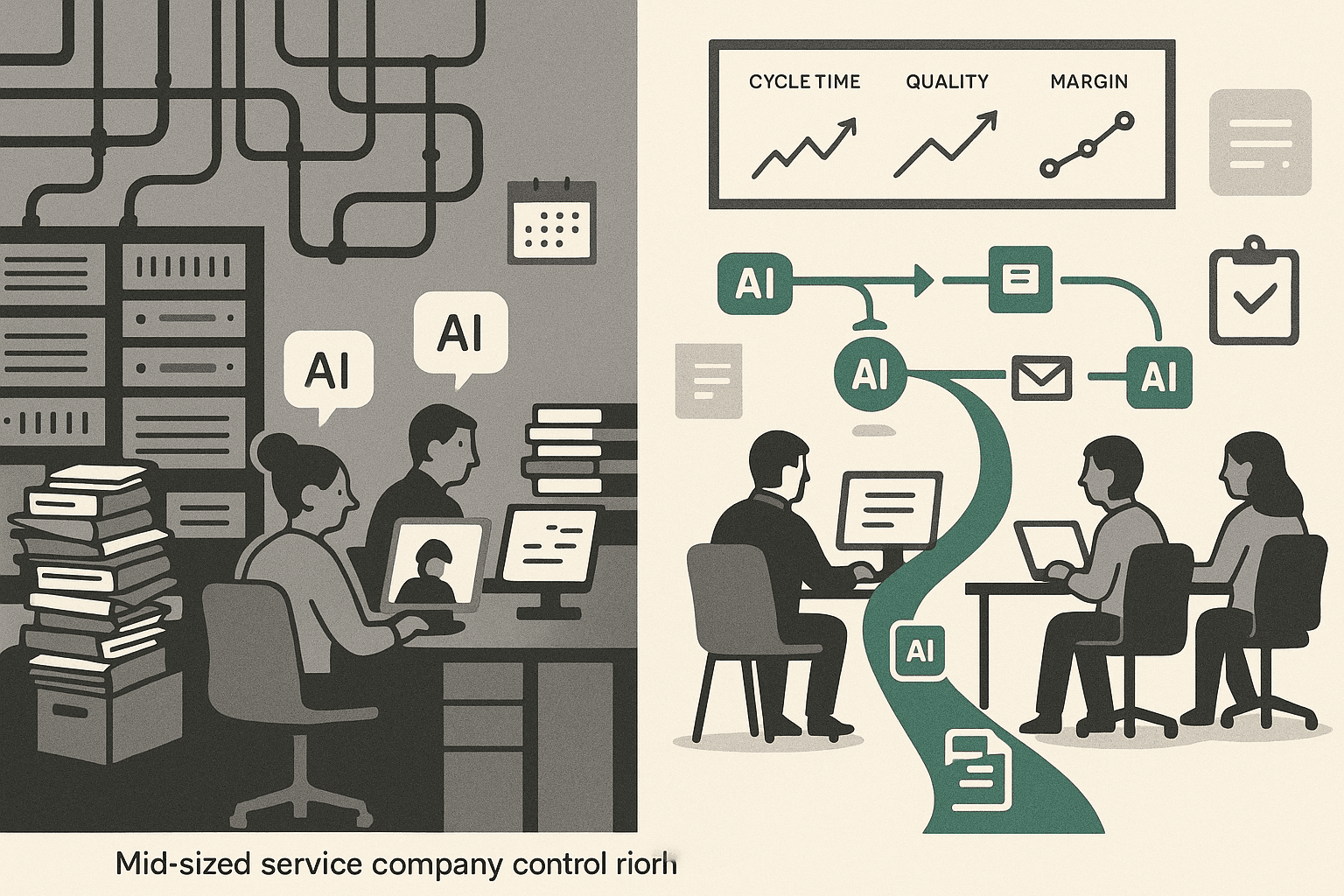
Mid-Market Just Passed Enterprise on AI – What That Really Means for Service Companies
New data says mid‑market firms are now beating large enterprises on real AI deployment. For service-company CEOs, that flips the usual playbook: you’re no longer waiting for Fortune 500s to show the way – you have the structural advantage, if you build the right operating model and governance before vendors and regulators force your hand.
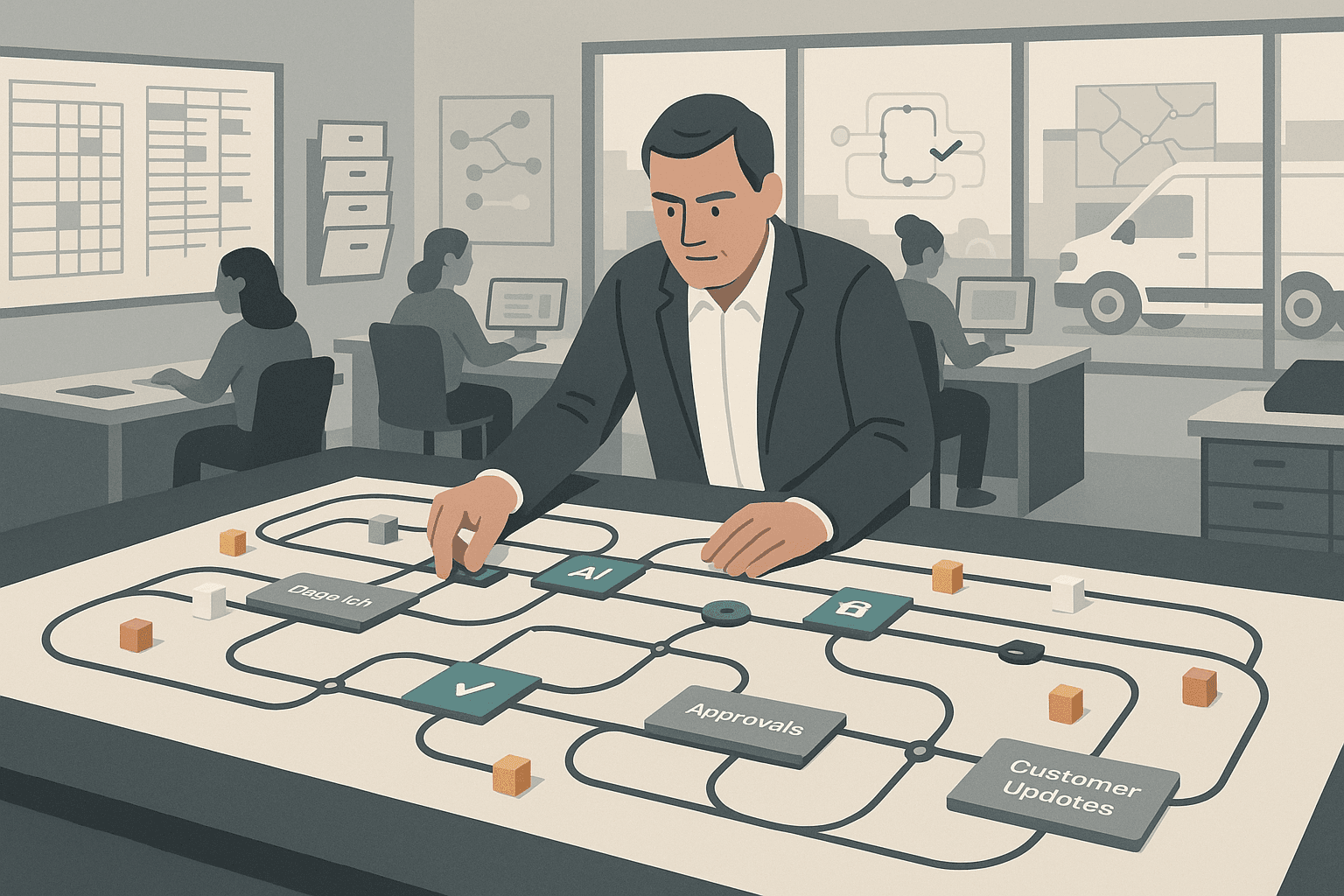
AI Operating Model: The One Decision Service CEOs Can’t Delegate
Executives are drowning in AI pilots while IBM, Bain, Forbes and others are all saying the same thing: the returns now sit in the operating model, not in tools. This article translates that signal for 30–500 person service companies and argues that your core AI decision is how work, decisions, governance and accountability will run together — not which model or vendor you pick.

The Service Company Is Becoming the Software Company
The latest AI signal is not another model release. It is a business-model shift: services are starting to inherit software economics. For service-company operators, the question is no longer whether AI belongs in the business. It is whether the operating model can absorb it.

The Behavioral Half of the Rewire
AI workflow rewires fail twice: most companies never start the rebuild, and the ones that do still stall because their leadership skipped the human design of the change. Two seventy-percent numbers, one operating reality.

The Rewire Most Companies Skipped
McKinsey tested twenty-five organizational attributes against AI's bottom-line impact. The single largest factor was whether the company had redesigned its workflows around the technology. Twenty-one percent had. The other seventy-nine percent are the explanation for every stalled pilot.

Memory Is More Than Data
Two decades of building data lakes produced warehouses of facts nobody acts on. The data was real. The memory around it was missing — and that is the work that hasn't started.
When the Cadence Doesn't Die at Month Six
Every operating system promised the same discipline and failed in the same way. The promise was right. The substrate was wrong. What changes when the cadence runs without humans needing to sustain it.
The Real Cost of After-Hours Calls Isn't the Missed Revenue
Service companies count missed calls as missed revenue. The deeper cost is what every unanswered call would have told the company about its own operation — signal that never produced a record.
Why Customer Feedback Stays Invisible to Most Service Companies
Customer feedback is one of the largest reservoirs of operational signal a service company has. Most of it never makes it into the database. The reason isn't disinterest — it's structural.