For years we were told the value is in the data. Hire the team, install the lake, instrument the workflows, and the answers would surface on their own.
That advice was not wrong. It was incomplete.
Companies built the lakes. They installed the warehouses. They paid the consultants. And at the end of two decades of that work, most of them ended up with vast quantities of facts that nobody acts on. The data was real. The memory around it was missing.
This is not a software problem.
Two service companies running the same CRM, the same telephony, and the same claims system end up performing at completely different levels. They have the same data. The difference is not in the data. The difference is everything wrapped around it — the definitions, the recall, the permissions, the workflows, and the judgment that knows which question to ask next.
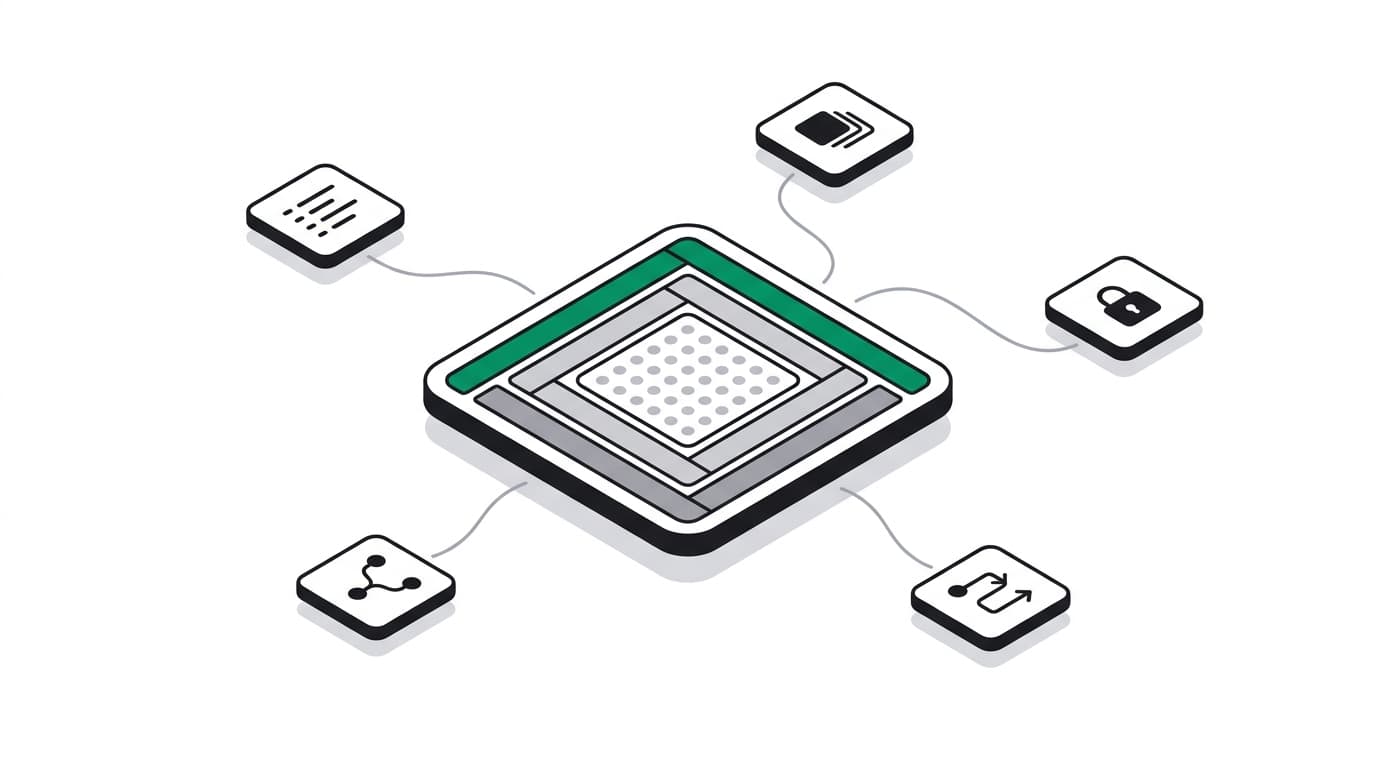
That wrapping is Memory. Data sits inside it. Without it, data is inventory.
What Company Memory actually holds
Memory in the practice's sense is not a database. It is the operating layer that makes data load-bearing.
Definitions. Two managers in the same company will disagree on what counts as a qualified lead, a closed case, an at-risk customer, or a stuck claim. Memory does not. The definitions live in one place, written down, owned, and enforceable. Every report that comes out of Memory means the same thing to everyone who reads it.
Recall. Memory remembers what was decided last quarter, why, and what happened next. It remembers the conversation where the policy was set. It remembers the pattern from last year that the team has now forgotten. Human memory cannot do this at company scale, and spreadsheets cannot either. Memory is the only artifact in a business that holds institutional context without depending on the person who carries it.
Permissions. Memory knows who is allowed to ask which question and act on which answer. Operations can see one slice. Finance can see another. The CEO can see all of it. An auditor can reconstruct what was seen and by whom. This is not bureaucracy — it is the precondition for the Memory being trusted with anything that matters.
Workflows. Memory knows who does what, by when, and what counts as done. The work moves through it. It is not a process map sitting in a binder. It is the live state of the business as work is being performed.
Judgment. Above all, Memory knows which question to ask next. That is the thing no off-the-shelf product gives you. It comes from the operator work of reading a specific business, naming what matters in that business, and turning that judgment into rules Memory can run on.
Why service companies are the case in point
Service companies have spent the last twenty years being sold software that captures what they do. Telephony recorded the calls. CRM recorded the contacts. Claims systems recorded the cases. Customer-experience platforms recorded the surveys.
By 2026, the average mid-market service company has more data than it knows what to do with — and less ability to act on it than it did before the systems were installed. The lakes are full. The dashboards are built. The reports go out on Monday morning. Nothing moves faster.
This is the gap Company Memory fills. The systems of record will continue to record. Memory is the layer above them that makes the recording mean something.
What building Memory actually looks like
Not another data warehouse. Not another dashboard. Not another agent on top of an existing stack.
Memory is built one module at a time. Each module owns a small set of outcomes — claims cycle time, intake quality, provider performance, account health. Each module knows the definitions for its domain, captures the recall of what happened in it, enforces the permissions for who can ask, runs the workflows that move work through it, and reports its outcomes to the layer above.
Modules connect. The Cortex is how they run together. Cortex Guard is the layer that holds identity, permission, and audit so Memory stays trusted as it grows.
This is not theory. It is being built today, against a real operating business, with a real architecture, in service of outcomes the business measures.
The work that hasn't started
Most service companies have not started. They are still living in the era that told them the value is in the data. Their lakes are real. Their warehouses are real. Their dashboards are real. The memory around all of it is still missing.
That is the work.